Feline Leukemia Virus (FeLV) in Cats: Symptoms, Transmission, Treatment, Prevention, and Home Care
Cute Animals › Feline Leukemia Virus (FeLV) in Cats: Symptoms, Transmission, Treatment, Prevention, and Home Care
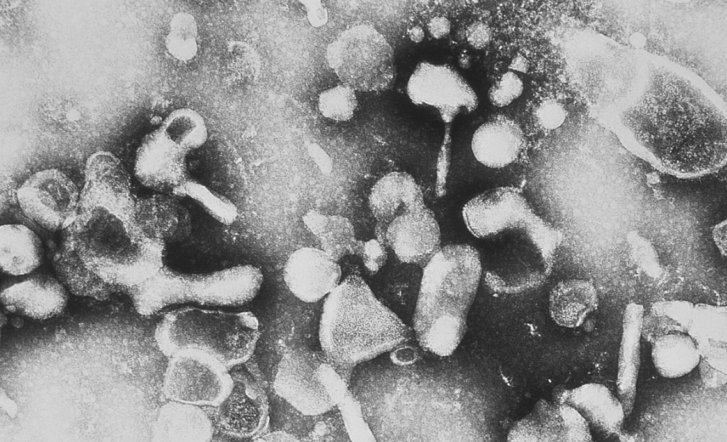
Feline Leukemia Virus (FeLV) is a viral disease in cats that can lead to disorders of the blood and immune system, including anemia and certain cancers like leukemia and lymphoma. Abnormal white blood cells can multiply rapidly and crowd out normal blood cell production in the bone marrow, reducing red blood cells, platelets, and healthy white blood cells.

Common Symptoms
Signs vary by disease stage and type, but commonly include:
- Fatigue and lethargy
- Pale gums (anemia)
- Fever or chills
- Frequent or recurring infections
- Easy bleeding: nosebleeds, gum bleeding, or small skin bruises/spots
- Bone or joint pain
- Enlarged lymph nodes
- Enlarged liver or spleen
- Unexplained weight loss

How FeLV Spreads
Cat-to-cat transmission can occur via:
- Mutual grooming or sharing bowls, water, and utensils
- Bites from infected cats
- Mother-to-kitten transmission during pregnancy or nursing
- Blood transfusions (if blood is not screened)
Cats that frequently go outdoors or live in multi-cat environments face higher infection risk.

Treatment Options
Treatment depends on the condition, stage, and overall health of the cat. Main approaches include:
- Chemotherapy: Medications to target cancer cells
- Radiation therapy: High-energy radiation to destroy cancer cells
- Stem cell or bone marrow transplantation: Replacing damaged marrow with healthy cells
- Targeted therapy: Drugs aimed at specific cancer pathways
- Immunotherapy: Enhancing the immune system to fight diseased cells
Prevention
- Vaccination: Especially recommended for kittens and high-risk cats
- Indoor living: Reduce exposure to potentially infected cats
- Blood testing: Screen new cats before introduction; consider annual testing
- Avoid sharing items with untested cats
Health Impacts
FeLV can affect multiple systems:
- Immunosuppression leading to recurrent infections (respiratory, skin, oral)
- Anemia, fatigue, reduced appetite, and weight loss
- Leukemia or tumors in various organs
- Shorter lifespan without appropriate care
Caring for FeLV-Positive Cats
With proper care, FeLV-positive cats can live comfortably:
- Regular veterinary checkups
- High-quality, balanced nutrition
- Keep indoors to minimize secondary infections

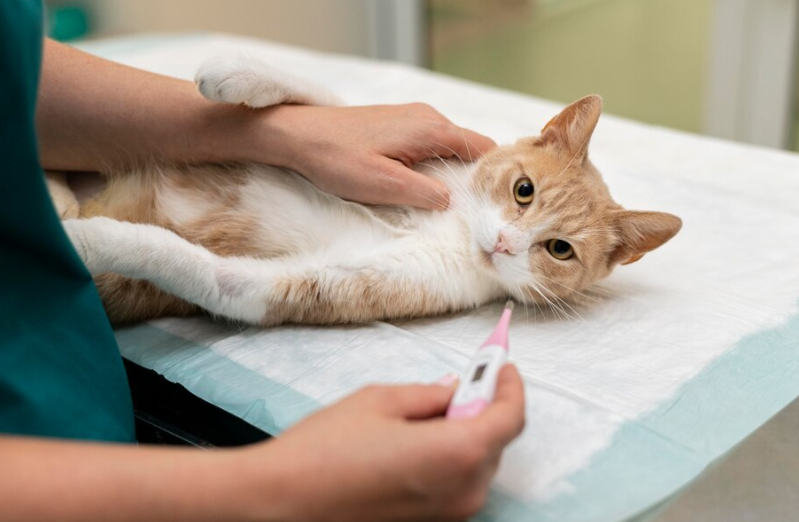
If you’re unsure whether your cat has FeLV, consult a veterinarian and request a blood test. Early detection helps you plan appropriate care and improve quality of life.
Please rate your satisfaction with this article

Post a Comment
Your email address will not be displayed to others. Required fields are marked *
Recommended Content