How to Grow Thai Bird’s Eye Chili (Capsicum frutescens) – Step-by-Step Planting & Care Guide
Plant and Garden › How to Grow Thai Bird’s Eye Chili (Capsicum frutescens) – Step-by-Step Planting & Care Guide

Origin and Background
Thai Bird’s Eye Chili (Capsicum frutescens) is one of the most popular chili varieties in Thailand. Known for its intense heat and distinctive aroma, it plays a key role in many Thai dishes. It’s believed to have originated in South America and was introduced to Asia through early trade routes. Today, it’s cultivated widely for both household use and commercial farming.

How to Grow Thai Bird’s Eye Chili
1. Seed Preparation
- Select seeds from healthy, disease-free chili pods.
- Soak the seeds in warm water for about 12 hours before planting.
2. Soil Preparation
- Use loamy or sandy soil that drains well.
- Mix compost or organic fertilizer to improve soil fertility.
3. Seedling Stage
- Sow the seeds in seed trays or nursery beds, keeping the soil moist but not waterlogged.
- Transplant the seedlings after 25–30 days or when they have 3–5 true leaves.
4. Transplanting
- In open fields: Space plants about 40–50 cm apart.
- In pots: Use containers 12–16 inches wide with good drainage.

Care and Maintenance
Watering
- Water once or twice daily, preferably in the morning and evening.
- Avoid overwatering — standing water can cause root rot.
Fertilizing
- Apply organic compost regularly to enrich the soil.
- Use NPK 15-15-15 or 13-13-21 every 15 days to promote flowering and fruiting.
Pest & Disease Control
- Watch out for common pests such as thrips, fruit borers, and anthracnose.
- Use organic pest control solutions like fermented herbal sprays.

Harvest Timeline
- Flowering begins around 45–60 days after transplanting.
- Fruits can be harvested at 75–90 days depending on the climate.
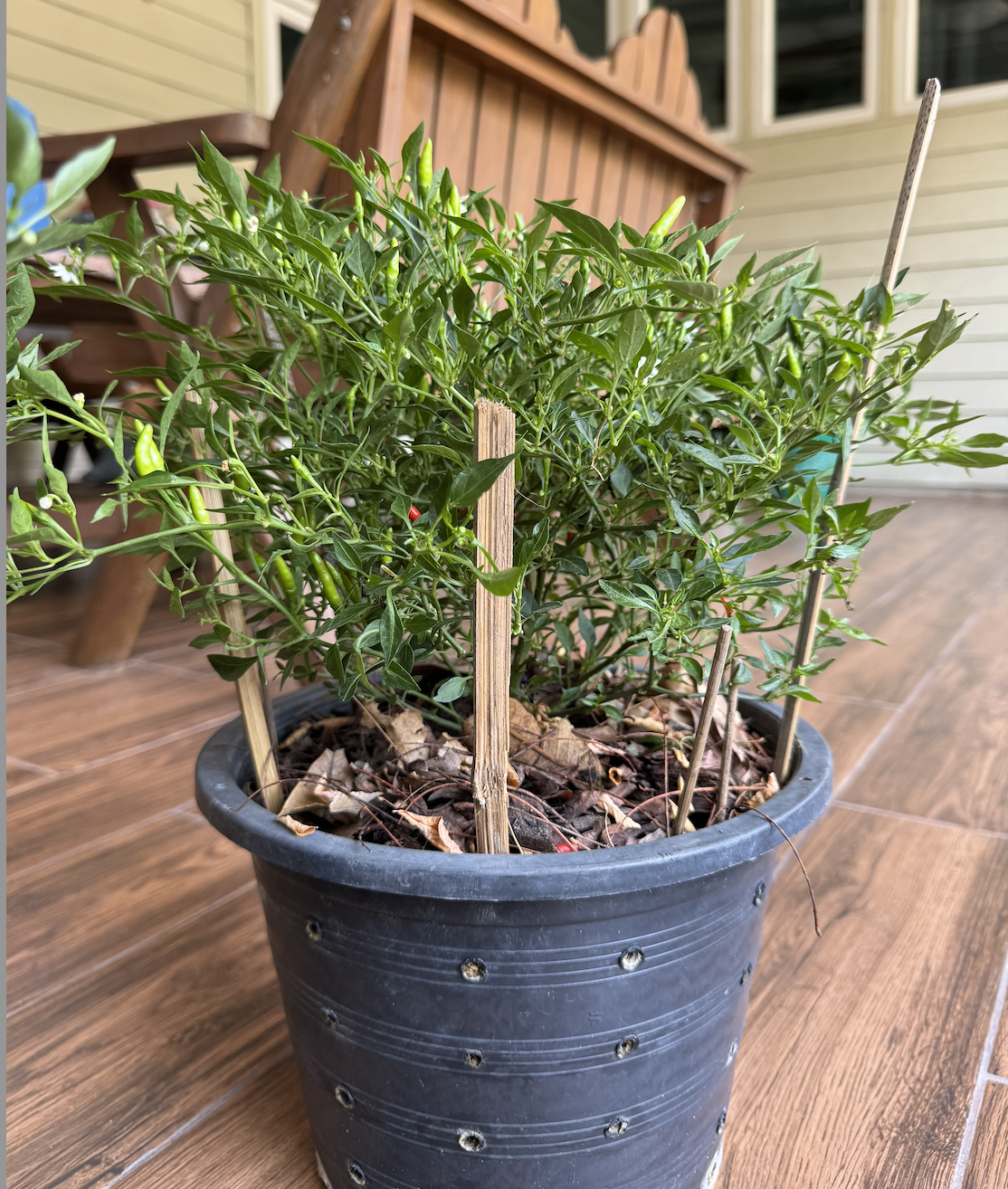
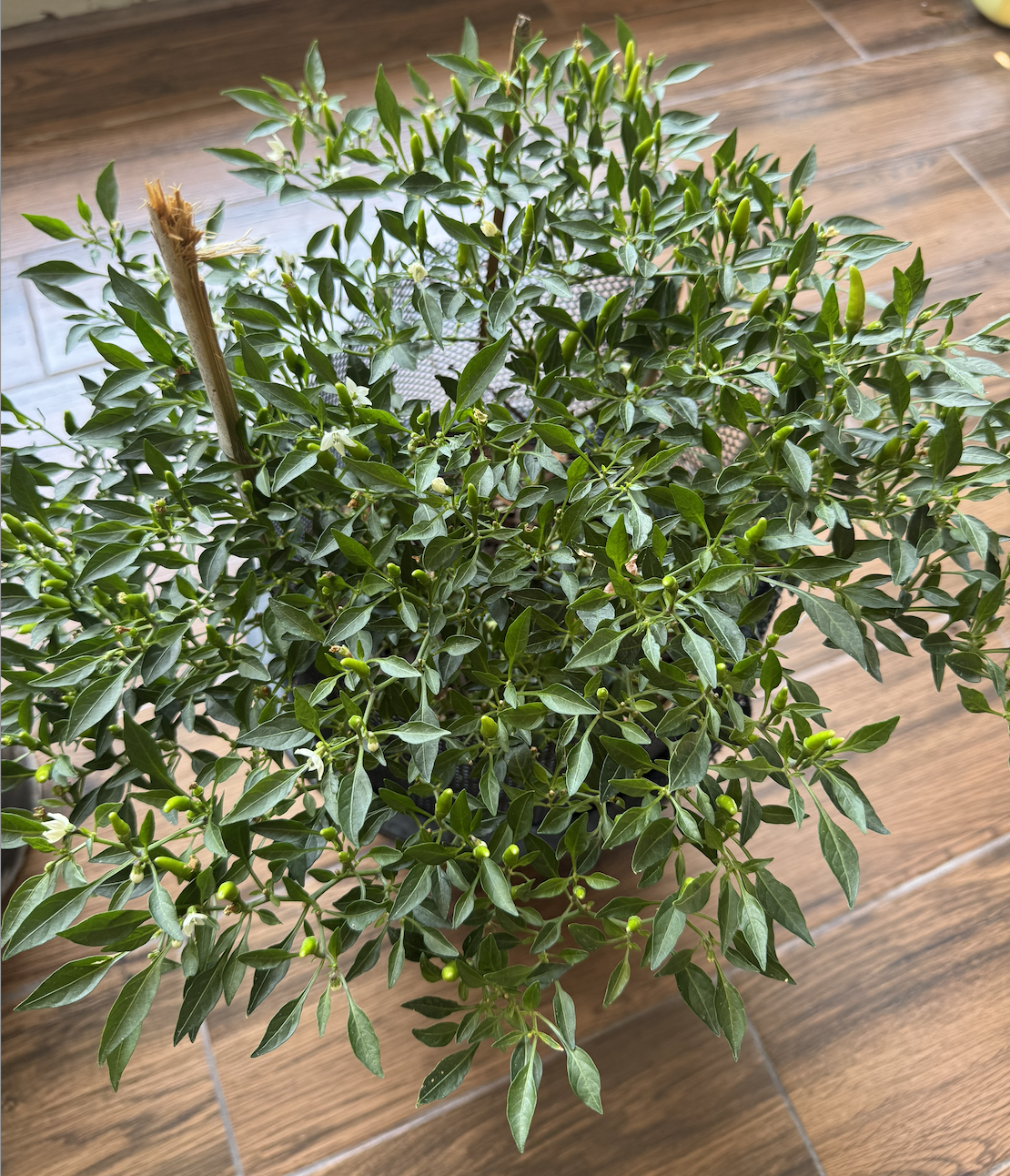
Proper care ensures abundant yield and strong flavor. Thai Bird’s Eye Chili can be used for home cooking, sold at local markets, or even processed into chili paste or dried chili for added value.
Please rate your satisfaction with this article

Post a Comment
Your email address will not be displayed to others. Required fields are marked *